In today’s competitive business landscape, identifying and attracting potential customers is paramount to sustainable growth. This is where the power of digital marketing truly shines. Unlike traditional methods that often cast a wide, untargeted net, digital marketing offers a precise and measurable approach to connecting with audiences who are actively seeking solutions your business provides. Understanding precisely how digital marketing generates leads is crucial for any organization aiming to thrive online. From the foundational elements of search engine optimization to the dynamic engagement of social media and the personalized touch of email campaigns, each digital channel plays a distinct yet interconnected role in nurturing prospects from initial awareness to becoming valuable leads.
Understanding Lead Generation in the Digital Age
Lead generation, at its core, is the process of attracting and converting prospects into individuals who have shown interest in your company’s product or service, typically by providing their contact information. In the digital realm, this translates into using various online channels and tactics to capture the attention of potential customers and encourage them to take a desired action, such as filling out a form, subscribing to a newsletter, or downloading a resource.
Key Digital Marketing Strategies for Lead Generation
Search Engine Optimization (SEO)
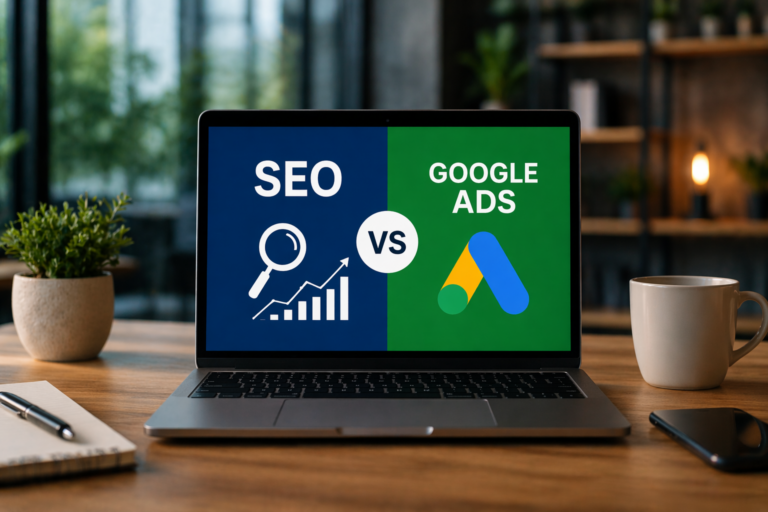
SEO is the bedrock of organic lead generation. By optimizing your website and its content to rank higher in search engine results pages (SERPs) for relevant keywords, you attract users who are actively searching for what you offer. High visibility in organic search means more qualified traffic to your website, which is the first step in the lead generation funnel.
On-Page SEO
This involves optimizing individual web pages to rank higher and earn more relevant traffic in search engines. Elements include keyword research and integration, creating high-quality, informative content, optimizing meta titles and descriptions, and improving user experience through site speed and mobile-friendliness.
Off-Page SEO
Off-page SEO refers to actions taken outside of your own website to impact your rankings within search engine results. This primarily involves building high-quality backlinks from reputable websites, social media mentions, and brand reputation management.
Technical SEO
Technical SEO ensures that search engines can crawl and index your website effectively. This includes aspects like site architecture, XML sitemaps, robots.txt files, schema markup, and ensuring your site is secure (HTTPS).
Content Marketing
Content marketing focuses on creating and distributing valuable, relevant, and consistent content to attract and retain a clearly defined audience. This content serves as a powerful magnet for potential leads.
Blogging
Regularly publishing blog posts that address common questions, pain points, and interests of your target audience attracts organic traffic and positions your brand as an authority. Blog posts often include calls-to-action (CTAs) that encourage readers to become leads.
Ebooks, Whitepapers, and Guides
These in-depth resources provide significant value to the reader. They are typically offered as gated content, meaning users must provide their contact information to download them, directly generating leads.
Infographics and Videos
Visually engaging content like infographics and videos can capture attention, explain complex topics, and drive traffic to landing pages where lead capture forms are present.
Social Media Marketing
Social media platforms offer direct avenues to engage with your target audience, build brand awareness, and drive traffic to lead generation assets.
Organic Social Media Engagement
Building a community, sharing valuable content, and engaging in conversations on platforms like LinkedIn, Facebook, Instagram, and Twitter can drive interested users to your website or landing pages.
Paid Social Media Advertising
Social media advertising allows for highly targeted campaigns. You can precisely define your audience based on demographics, interests, behaviors, and even job titles, ensuring your lead generation ads reach the most relevant individuals. Lead generation ad formats are specifically designed to capture contact information directly within the platform.
Paid Search Advertising (PPC)
Pay-Per-Click (PPC) advertising, most notably Google Ads, allows you to place targeted ads in front of users who are actively searching for specific keywords. This immediate visibility can drive highly qualified traffic to your landing pages.
Keyword Targeting
Bidding on keywords directly related to your products or services ensures that your ads are shown to people with immediate intent.
Ad Copy and Landing Page Optimization
Compelling ad copy that highlights benefits and a dedicated landing page designed for conversion are critical for turning ad clicks into leads.
Email Marketing
Once you have captured an email address, email marketing is a powerful tool for nurturing leads and moving them further down the sales funnel.
Lead Nurturing Campaigns
Automated email sequences can be set up to deliver personalized content, build trust, and educate leads about your offerings over time. These campaigns can include invitations to webinars, case studies, or special offers that prompt further engagement.
Newsletter Subscriptions
A well-crafted newsletter keeps your brand top-of-mind and provides ongoing value, offering opportunities to promote lead magnets or direct offers.
Website Optimization and User Experience (UX)
Your website is often the central hub for all your digital marketing efforts. Ensuring it’s optimized for lead generation is paramount.
Clear Calls-to-Action (CTAs)
Prominent and compelling CTAs guide visitors on what to do next, whether it’s downloading a guide, requesting a demo, or signing up for a trial.
Conversion-Focused Landing Pages
Dedicated landing pages designed for a specific offer, with a single objective (lead capture), are significantly more effective than directing traffic to your homepage.
Forms Optimization
Keeping forms concise and asking only for necessary information reduces friction and increases completion rates.
Affiliate Marketing and Partnerships
Collaborating with relevant businesses or influencers can extend your reach and introduce your brand to new, pre-qualified audiences, often on a commission basis.
Geographic Considerations in Digital Lead Generation
For businesses serving specific local or regional markets, geographic optimization is a critical component of digital lead generation. This involves tailoring your digital marketing efforts to target users within a particular geographical area.
Local SEO
This includes optimizing your Google Business Profile, using location-specific keywords in your content, and encouraging local reviews to attract customers in your immediate vicinity. For instance, a plumbing company in London would focus on keywords like “plumber London” or “emergency plumber near me.”.
Geo-Targeted Paid Advertising
PPC and social media ad campaigns can be narrowly targeted to specific cities, regions, or even postal codes, ensuring your advertising budget is spent efficiently on audiences most likely to convert.
Location-Specific Content
Creating content that speaks directly to the needs or interests of a particular geographic audience can resonate more deeply and drive higher engagement.
Measuring and Analyzing Lead Generation Success
Effective digital marketing for lead generation relies heavily on data. Tracking key metrics allows you to understand what’s working, what’s not, and where to allocate your resources for maximum impact.
Key Metrics to Track
- Lead Volume: The total number of leads generated.
- Cost Per Lead (CPL): The average cost incurred to acquire a single lead.
- Conversion Rate: The percentage of website visitors or ad viewers who become leads.
- Lead Quality: Assessing how likely leads are to convert into paying customers.
- Source of Leads: Identifying which digital channels are driving the most and highest quality leads.
Benefits of Digital Marketing for Lead Generation
The advantages of leveraging digital marketing for lead generation are numerous and impactful:
- Increased Reach: Access to a global audience or highly specific local markets.
- Cost-Effectiveness: Often more affordable and offers a better ROI compared to traditional marketing.
- Targeted Audience: Ability to reach specific demographics, interests, and behaviors.
- Measurable Results: Detailed analytics provide insights into campaign performance.
- Improved ROI: Optimized campaigns lead to more efficient spending and higher returns.
- Enhanced Brand Authority: Consistent delivery of valuable content establishes expertise.
Challenges in Digital Lead Generation
While powerful, digital lead generation isn’t without its hurdles:
- Increasing Competition: The digital space is crowded, requiring sophisticated strategies.
- Algorithm Changes: Search engines and social media platforms frequently update their algorithms, impacting visibility.
- Ad Fatigue: Audiences can become desensitized to repetitive advertisements.
- Data Privacy Concerns: Navigating evolving privacy regulations requires careful handling of user data.
- Maintaining Lead Quality: Ensuring that generated leads are genuinely interested and a good fit for your business.
Future Trends in Digital Lead Generation
The digital marketing landscape is constantly evolving. Staying ahead means understanding emerging trends.
- Personalization at Scale: Utilizing data to deliver hyper-personalized experiences and offers.
- Video Marketing Dominance: Increased use of video for engagement, education, and lead capture.
- AI-Powered Marketing Automation: Leveraging AI for smarter segmentation, predictive analytics, and automated outreach.
- Interactive Content: Quizzes, polls, and calculators that actively engage users and collect valuable data.
- Voice Search Optimization: Adapting content and SEO strategies for voice queries.
By strategically implementing these digital marketing tactics and staying attuned to evolving trends, businesses can effectively generate a consistent stream of qualified leads, driving sustained growth and achieving their commercial objectives.
Frequently Asked Questions
What is the primary goal of digital marketing lead generation?
The primary goal is to attract and capture the interest of potential customers who are likely to be interested in your products or services, by encouraging them to provide their contact information, thus becoming qualified leads for your sales team.
How does SEO contribute to lead generation?
SEO drives organic traffic to your website by improving your visibility in search engine results. This traffic consists of individuals actively searching for solutions, making them high-potential leads. Optimizing content with clear calls-to-action further converts this traffic into leads.
Can social media marketing generate leads without paid advertising?
Yes, organic social media marketing can generate leads through building community, sharing valuable content, engaging with potential customers, and directing them to lead capture pages on your website. However, paid social media advertising offers more precise targeting and faster results.
What is a lead magnet, and why is it important?
A lead magnet is a valuable piece of content or offer (like an ebook, webinar, or discount) that you provide in exchange for a prospect’s contact information. It’s crucial because it incentivizes users to become leads and demonstrates the value your business offers.
How can a local business use digital marketing for lead generation?
Local businesses can use local SEO (optimizing Google Business Profile, local keywords), geo-targeted paid ads, and location-specific content to attract customers within their service area. Encouraging local reviews also builds trust and drives local leads.
Is it possible to track the ROI of digital marketing lead generation efforts?
Absolutely. Key metrics like Cost Per Lead (CPL), conversion rates from different channels, and ultimately, the revenue generated from leads acquired through digital marketing, allow for precise ROI calculation and campaign optimization.
What role does website user experience (UX) play in lead generation?
A positive website UX is critical. It ensures visitors can easily navigate your site, find information, and complete lead capture forms without frustration. Poor UX leads to high bounce rates and lost lead opportunities.