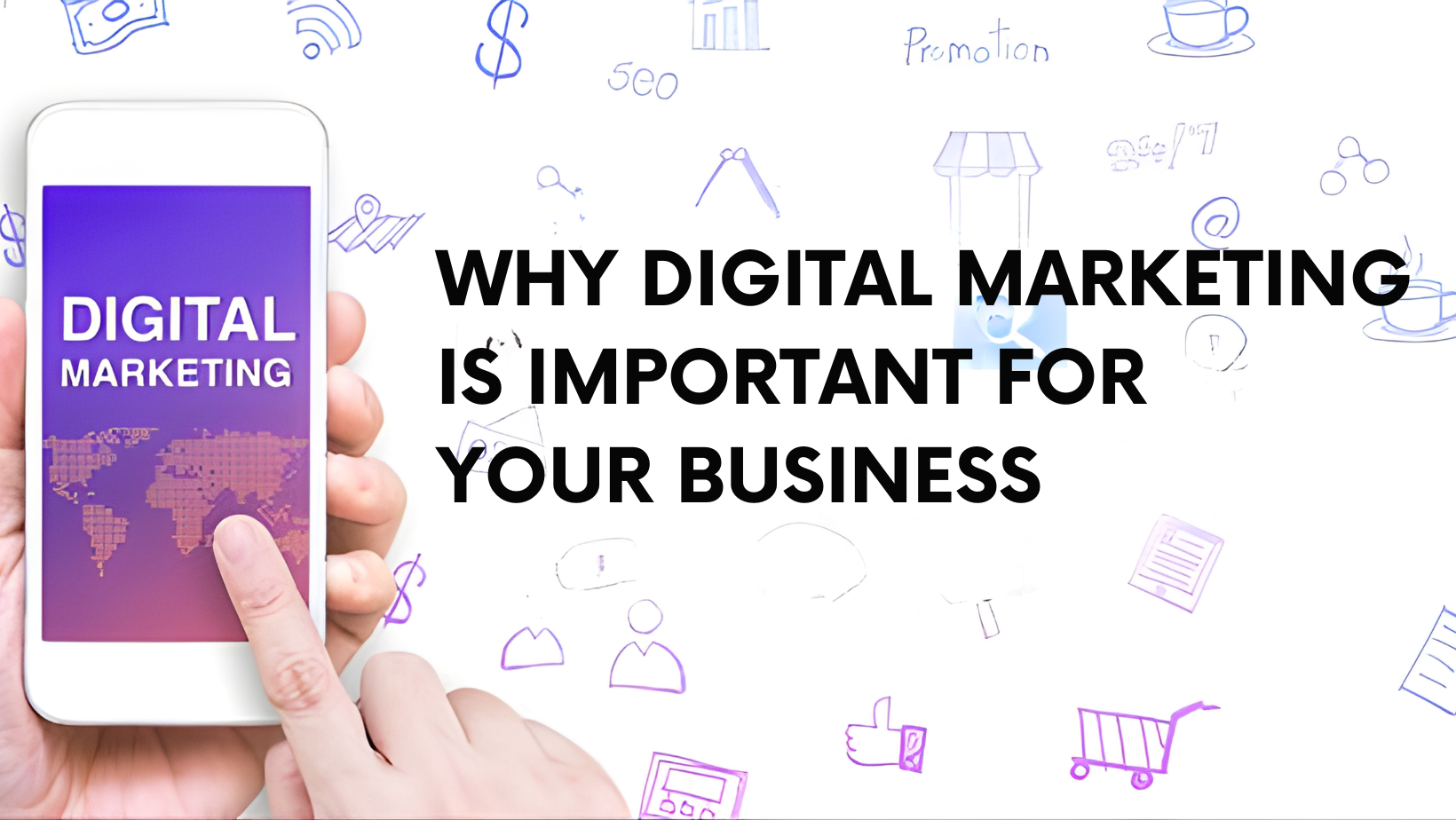
In today’s interconnected world, the digital landscape has become the primary arena where businesses connect with their target audiences. Traditional marketing methods, while still having a place, are no longer sufficient to guarantee widespread reach and engagement. This is precisely why digital marketing has emerged as an indispensable component of any successful business strategy. It offers unparalleled opportunities to build brand awareness, foster meaningful customer relationships, and ultimately, drive measurable growth. For businesses of all sizes, from burgeoning startups in bustling city centers like New York or Los Angeles to established enterprises in regions like Europe or Asia, understanding and implementing effective digital marketing strategies is not just an advantage – it’s a necessity for survival and prosperity. This article delves into the core reasons behind the paramount importance of digital marketing for contemporary businesses.
Understanding the Digital Marketing Landscape
Digital marketing encompasses a broad spectrum of online strategies and tactics designed to promote products or services. It leverages various digital channels, including search engines, social media platforms, email, websites, and mobile applications, to reach potential and existing customers. Unlike traditional marketing, which often involves one-way communication and broad reach, digital marketing allows for targeted campaigns, personalized messaging, and direct interaction with consumers. This shift reflects the evolving behavior of consumers who increasingly spend their time online, researching, shopping, and interacting with brands in the digital space.
Key Pillars of Digital Marketing Importance
Enhanced Visibility and Reach
One of the most significant advantages of digital marketing is its ability to dramatically expand a business’s visibility and reach, transcending geographical boundaries. Whether your business operates locally in a specific region like London or globally, digital platforms ensure your brand can be discovered by a much wider audience.
- Global Audience Access: The internet connects billions of people. Digital marketing allows businesses, regardless of their physical location, to connect with potential customers anywhere in the world. A small artisanal bakery in a quiet town can reach customers online who might never visit in person but are willing to order specialty goods.
- 24/7 Availability: Your online presence works around the clock. Websites, social media profiles, and online advertisements are accessible to consumers at any time, day or night, providing constant brand exposure and opportunities for engagement or conversion.
- Search Engine Optimization (SEO): By optimizing your online content and website for search engines like Google, Bing, and Yahoo, you increase the chances of appearing at the top of search results for relevant queries. This organic visibility is crucial for capturing users actively looking for your products or services. For instance, a business in Sydney looking to attract local customers would focus on local SEO strategies.
Targeted Audience Engagement
Digital marketing excels at allowing businesses to pinpoint and engage with their ideal customer segments. This precision ensures marketing efforts are more efficient and effective, reducing wasted ad spend and increasing the likelihood of conversions.
- Demographic and Psychographic Targeting: Platforms offer sophisticated tools to target users based on age, gender, location, interests, behaviors, and even past purchasing history. This means marketing messages can be tailored to resonate deeply with specific audience segments, increasing their relevance and impact.
- Personalized Customer Journeys: Digital tools enable the creation of personalized customer experiences. From tailored email campaigns based on past interactions to dynamic website content that adapts to user behavior, personalization fosters stronger connections and loyalty.
- Building Communities: Social media platforms provide a direct channel to build and nurture communities around a brand. Engaging in conversations, responding to feedback, and sharing valuable content helps create a loyal following and fosters a sense of belonging.
Cost-Effectiveness and Measurable ROI
Compared to many traditional marketing channels, digital marketing often proves to be more cost-effective and offers superior measurability, allowing businesses to track their return on investment (ROI) with precision.
- Lower Entry Costs: Setting up a website, social media profiles, or starting an email marketing campaign generally requires lower initial investment than TV commercials, print ads, or large-scale event sponsorships.
- Performance Tracking and Analytics: Every digital marketing activity can be tracked and analyzed. Metrics like website traffic, conversion rates, click-through rates, cost per acquisition, and customer lifetime value provide actionable insights into campaign performance.
- Optimized Spending: The ability to monitor campaign performance in real-time allows businesses to reallocate budgets from underperforming initiatives to those that are yielding better results, ensuring maximum efficiency of marketing spend.
Competitive Advantage
In today’s market, your competitors are likely already leveraging digital marketing. If you aren’t, you’re at a significant disadvantage. Embracing digital strategies is essential to keep pace and even outmaneuver the competition.
- Staying Relevant: Consumers expect brands to have an online presence. A lack of digital engagement can make a business appear outdated or less credible compared to competitors who are actively visible online.
- Understanding the Market: Digital marketing efforts, particularly through analytics and social listening, provide invaluable insights into market trends, competitor activities, and customer preferences, enabling businesses to adapt and innovate effectively.
- Direct Competitor Insights: Analyzing competitors’ online strategies, their content, ad campaigns, and customer interactions can reveal opportunities and threats, allowing for strategic adjustments to your own marketing efforts.
Data-Driven Decision Making
The digital realm generates a wealth of data that can inform and refine business strategies. This data-driven approach moves marketing from guesswork to informed, strategic execution.
- Customer Behavior Analysis: Detailed analytics from websites, apps, and social media provide deep insights into how customers interact with your brand, what content they consume, and their path to purchase.
- Campaign Optimization: Data collected allows for continuous refinement of campaigns. A/B testing different ad copy, landing pages, or email subject lines helps identify what resonates best with the audience.
- Product and Service Development: Feedback gathered through online channels, reviews, and social media monitoring can highlight areas for product improvement or opportunities for new service offerings, directly influencing business development.
Building Brand Credibility and Trust
A strong digital presence, backed by valuable content and positive customer interactions, is crucial for building credibility and trust in the modern marketplace.
- Professional Online Presence: A well-designed website, active social media profiles, and positive online reviews create an image of a legitimate, professional, and trustworthy business.
- Thought Leadership: Sharing expert knowledge, insights, and valuable content through blogs, webinars, or whitepapers positions your brand as an authority in its industry, fostering trust and respect among potential clients.
- Customer Reviews and Testimonials: Encouraging and showcasing positive customer reviews and testimonials on your website and review platforms provides social proof that influences purchasing decisions and builds confidence in your offerings.
Adaptability and Agility
The digital marketing landscape is constantly evolving, and the strategies within it allow businesses to be agile and adapt quickly to changes in consumer behavior, market trends, or economic conditions.
- Rapid Campaign Deployment: Digital campaigns can be launched, modified, or paused with relative speed, allowing businesses to respond swiftly to emerging opportunities or unforeseen challenges.
- Testing and Iteration: The ability to test different approaches and iterate based on performance data means businesses can quickly discover what works best and pivot their strategies accordingly.
- Staying Ahead of Trends: By monitoring digital conversations and analytics, businesses can identify emerging trends and adapt their marketing and product strategies to stay relevant and competitive.
Implementing Effective Digital Marketing Strategies
For businesses to truly harness the power of digital marketing, a strategic and integrated approach is essential. This involves understanding the target audience deeply, setting clear objectives, and selecting the right mix of digital channels.
- Define Your Target Audience: Create detailed buyer personas to understand who you are trying to reach.
- Set Clear Goals: Whether it’s increasing website traffic, generating leads, boosting sales, or improving brand awareness, having specific, measurable, achievable, relevant, and time-bound (SMART) goals is crucial.
- Develop a Comprehensive Strategy: This should include elements of SEO, content marketing, social media marketing, paid advertising (PPC), email marketing, and potentially influencer marketing or affiliate programs.
- Create High-Quality Content: Content is the cornerstone of digital marketing. Focus on providing value, educating, and entertaining your audience.
- Utilize Analytics: Regularly review performance data to understand what’s working and what’s not, and adjust your strategies accordingly.
- Stay Updated: The digital marketing world is dynamic. Continuous learning and adaptation are key to sustained success.
Conclusion: The Indispensable Role of Digital Marketing
In conclusion, digital marketing is not merely an option for businesses today; it is a fundamental necessity for growth, relevance, and sustained success. It empowers businesses to reach wider audiences, engage precisely with their ideal customers, achieve measurable results, and build strong, trustworthy brands. By embracing a robust digital marketing strategy, businesses can navigate the complexities of the modern marketplace, outpace competitors, and forge lasting connections with their customers, ensuring a prosperous future in an increasingly digital world.
Frequently Asked Questions About Digital Marketing
What is digital marketing?
Digital marketing refers to all marketing efforts that use an electronic device or the internet. Businesses leverage digital channels such as search engines, social media, email, and websites to connect with current and prospective customers.
Why is digital marketing important for small businesses?
Digital marketing is crucial for small businesses as it offers a cost-effective way to reach a broad audience, compete with larger companies, and build brand recognition. It allows for precise targeting, enabling small businesses to focus their limited resources on reaching their most valuable customers.
How does digital marketing help increase sales?
Digital marketing increases sales by driving targeted traffic to a business’s website, generating qualified leads through engaging content and calls-to-action, and nurturing these leads through personalized communication channels like email marketing. It also provides insights into customer behavior, allowing for optimized sales funnels.
What are the main benefits of digital marketing for brand building?
The main benefits include enhanced brand visibility across multiple online platforms, direct engagement with customers to build relationships and trust, and the ability to establish thought leadership through valuable content. Consistent online presence and positive interactions contribute significantly to brand perception and loyalty.
Is digital marketing measurable?
Yes, digital marketing is highly measurable. Tools and platforms provide detailed analytics on website traffic, conversion rates, engagement metrics, ad performance, and ROI, allowing businesses to track the effectiveness of their campaigns in real-time and make data-driven adjustments.
How can digital marketing help a business compete?
Digital marketing levels the playing field, allowing smaller businesses to compete effectively with larger corporations. It provides access to global markets, enables precise targeting of niche audiences, and offers insights into competitor strategies, enabling businesses to carve out their own market share and differentiate their offerings.
What is the difference between digital marketing and traditional marketing?
Traditional marketing relies on channels like print, television, radio, and direct mail, often characterized by one-way communication. Digital marketing uses online channels like search engines, social media, email, and websites, facilitating two-way communication, precise targeting, personalization, and detailed performance tracking.