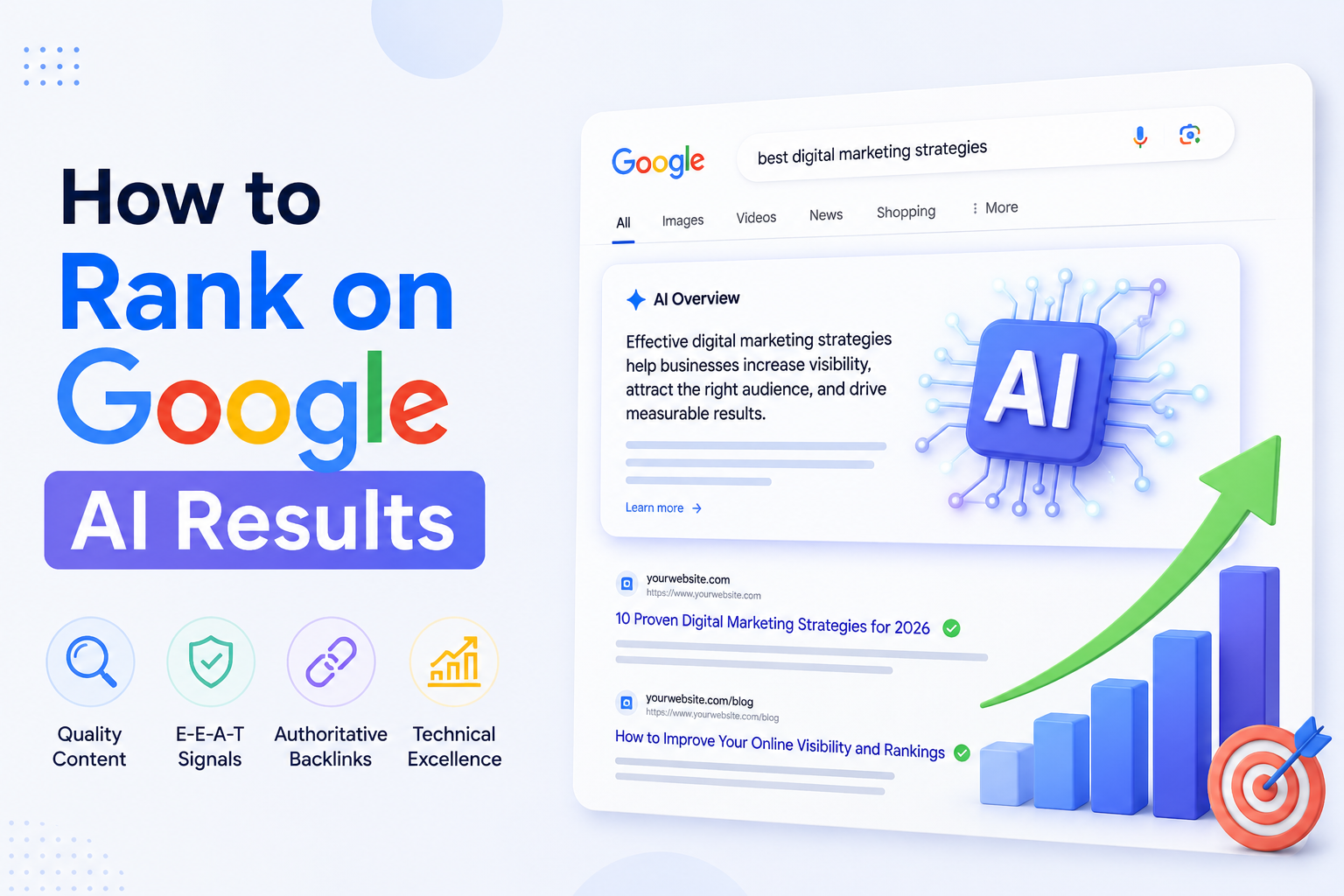
The digital search landscape is undergoing a fundamental transformation. As search engines increasingly integrate advanced processing models to deliver synthesized answers directly on the results page, the traditional paradigm of blue-link SEO is evolving. For businesses and marketing professionals, understanding how to rank on Google AI results has become a critical component of modern digital strategy. This shift toward answer-driven search experiences means that content must be more than just discoverable; it must be authoritative, structured, and inherently valuable to the models that prioritize accuracy and relevance. By aligning with these changing search behaviors, organizations can maintain visibility in an environment where the direct answer often supersedes the traditional click-through process.
Defining the New Search Landscape
Understanding Answer Engine Optimization
The move toward search-generated summaries represents a departure from keyword-heavy ranking factors. Instead of simply matching specific search terms, search engines now evaluate the contextual depth and structural clarity of information. Answer Engine Optimization (AEO) focuses on providing precise, concise, and highly relevant data that satisfies a user’s inquiry immediately. This requires a shift in content creation, moving away from purely volume-based strategies toward high-intent, information-dense content that acts as a definitive source for specific queries.
The Mechanics of Model-Based Ranking
Google’s synthesis capabilities rely on high-quality, trusted data sources. Models prioritize content that demonstrates clear expertise, experience, authoritativeness, and trustworthiness (E-E-A-T). When information is presented in a way that is easily parsed—using structured data, clear hierarchies, and well-defined facts—it increases the likelihood of being utilized as a foundational source for generated summaries. The objective is not to ‘trick’ the algorithm, but to provide structured, verifiable insights that the system can confidently present as a reliable answer.
Core Strategies for Increased Visibility
Prioritizing E-E-A-T in Content Strategy
Building authority is the bedrock of modern search performance. To rank within these new environments, content must be demonstrably accurate. This involves citing primary research, utilizing expert contributors, and maintaining a consistent focus on a specific industry niche. When a brand establishes itself as a subject-matter expert, search systems are more likely to reference that content when addressing complex inquiries. Depth of coverage—specifically addressing the ‘who, what, when, where, and why’ of a topic—is essential for demonstrating comprehensive knowledge.
Leveraging Structured Data and Schema
Technical infrastructure remains vital. Schema markup serves as the roadmap that tells search engines exactly what a piece of content represents. By implementing precise schema—such as FAQ schema, How-To schema, or Organization schema—publishers make it significantly easier for algorithms to extract and verify key information. This technical transparency reduces the effort required for the system to understand the relationship between a user’s question and a brand’s provided solution.
Optimizing for Natural Language Queries
User behavior has shifted toward conversational search. When individuals use voice assistants or complex search queries, they ask full questions rather than fragmented keyword strings. Content should reflect this by incorporating natural language headers and direct, plain-English answers to common industry questions. Drafting content that anticipates these specific inquiries—and answers them clearly within the first two paragraphs—positions the material as a primary candidate for summary placement.
Best Practices for Implementation
Structuring Content for Scannability
Logical hierarchy is more than just a formatting preference; it is a signal of clarity. Using clearly defined headings, bulleted lists for technical steps, and summary tables ensures that information is accessible. Systems favor content that can be easily ‘chunked,’ meaning that each section provides a discrete, valuable insight that stands on its own while contributing to the overall article topic.
Focusing on Long-Tail Intent
Rather than chasing high-volume, competitive head terms, effective strategies now focus on long-tail, high-intent queries. These inquiries often lead to specific problem-solving scenarios. By identifying the exact challenges an audience faces and creating content that serves as a direct, step-by-step guide to resolving those challenges, publishers can capture the high-value traffic that results from search-generated summaries.
Challenges and Strategic Implications
The Balance Between Traffic and Brand Visibility
A primary concern for many businesses is the potential decrease in organic click-through rates as more users find answers directly on the search page. However, visibility within these summaries confers significant brand authority. The key is to optimize for a hybrid model where the summary provides the answer, but the linked content provides the necessary depth, nuance, and conversion pathways to turn a casual searcher into a loyal customer. Strategic focus should remain on high-value, complex topics that require more than a three-sentence summary.
Maintaining Accuracy in a Dynamic Environment
As industry standards and best practices evolve, keeping existing content updated is paramount. Outdated information can lead to a loss of ranking authority. A robust content governance process, involving regular audits and updates, ensures that a brand’s presence remains relevant and trustworthy. This commitment to accuracy is one of the strongest signals for long-term search performance.
Future Trends in Search Evolution
The Increasing Role of Multimedia
As technology matures, the ability to synthesize not only text but also video and image data will increase. Brands that invest in high-quality visual content—such as data-rich infographics or instructional videos—will find themselves with a competitive advantage. These assets provide unique opportunities for search systems to diversify the information presented in generated summaries.
Hyper-Local and Personalized Search
Search results are becoming increasingly tailored to the user’s context and geographic location. For businesses with regional operations, local SEO optimization remains indispensable. Ensuring that business information is consistent across all platforms and that localized content addresses specific regional needs will be a cornerstone of maintaining visibility in a fragmented search environment.
Frequently Asked Questions
What is the most important factor for appearing in search-generated summaries?
The most critical factor is providing clear, authoritative, and structured answers to specific user questions. High-quality content that demonstrates industry expertise and utilizes proper schema markup is significantly more likely to be prioritized by systems that aggregate information.
How does structured data affect my visibility in AI results?
Structured data allows search engines to identify the specific components of your content—such as dates, authors, products, or steps—making it easier for the system to verify and present your information as an accurate answer to a user’s query.
Will traditional SEO become obsolete?
Traditional SEO is not becoming obsolete; it is becoming more rigorous. While the appearance of results is changing, the core requirements of technical health, site authority, and high-quality, relevant content remain the fundamental pillars of search visibility.
How can I optimize for conversational, natural language searches?
Focus on creating content that answers specific questions in a direct and concise manner. Using conversational headers and clear, plain-English explanations helps search systems match your content to the natural language queries users employ.
Does content length matter in the era of automated summaries?
Yes, but not in the way it used to. Content should be as long as necessary to fully answer the query. Depth is rewarded because it provides the comprehensive, authoritative information that search systems require to build reliable, high-quality summaries.
How can I measure the success of my search-generated visibility?
Measurement should shift toward tracking brand share-of-voice, engagement with specific content segments, and the impact on qualified lead generation. Monitoring rankings for question-based keywords and assessing the authority of the domains that link back to your content are also vital metrics.