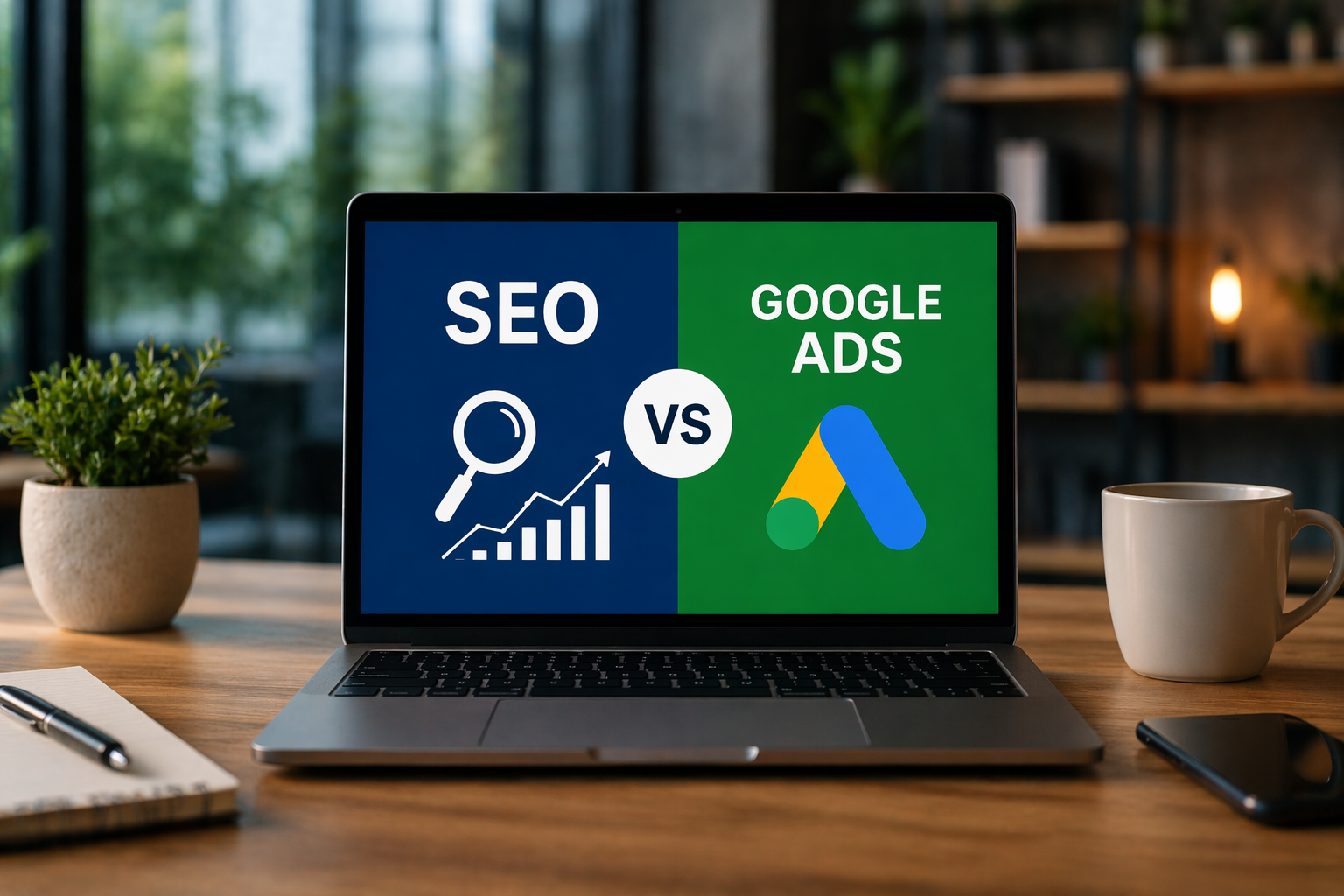
In the dynamic landscape of digital marketing, businesses constantly seek the most effective strategies to reach their target audience and drive growth. Two cornerstone approaches that frequently come under scrutiny are Search Engine Optimization (SEO) and Google Ads. While both aim to increase online visibility and attract potential customers through search engines, they operate on fundamentally different principles and deliver distinct outcomes. Understanding the nuances between SEO and Google Ads is crucial for developing a robust and balanced digital marketing strategy. This article delves into a comprehensive comparison, examining their core mechanics, advantages, disadvantages, and optimal use cases, ultimately guiding you toward a decision that aligns with your business objectives and timeline.
Understanding the Core Concepts: SEO vs. Google Ads
To effectively compare SEO and Google Ads, it’s essential to define each strategy and its underlying mechanism.
Search Engine Optimization (SEO)
SEO, or Search Engine Optimization, is the practice of improving your website’s visibility in the organic (non-paid) search engine results pages (SERPs). The goal is to rank higher for relevant keywords and phrases that your target audience is searching for. This involves a multifaceted approach that includes optimizing website content, improving site structure and speed, building high-quality backlinks, and ensuring a positive user experience. SEO is a long-term strategy focused on earning credibility and authority with both search engines and users.
Google Ads (Paid Search)
Google Ads, formerly known as Google AdWords, is Google’s pay-per-click (PPC) advertising platform. It allows businesses to place advertisements at the top or bottom of Google’s search results pages for specific keywords. Unlike SEO, where traffic is ‘earned,’ Google Ads traffic is ‘bought.’ Advertisers bid on keywords, and their ads are shown to users searching for those terms. The advertiser pays only when a user clicks on their ad, hence the term pay-per-click (CPC). Google Ads offers immediate visibility and targeted reach.
Time to Results: The Pace of Visibility
One of the most significant differentiators between SEO and Google Ads is the time it takes to see tangible results. This is often a primary consideration for businesses with immediate growth targets.
SEO: A Marathon, Not a Sprint
SEO is a marathon that requires patience and consistent effort. It typically takes 3 to 6 months, and often longer (6+ months), for SEO efforts to yield significant, measurable results in terms of organic rankings and traffic. This timeframe is necessary because search engines like Google need time to crawl, index, and evaluate your website’s content and authority. Building backlinks, earning domain authority, and establishing your website as a reliable resource for users are processes that unfold over time. For instance, a new e-commerce store launching SEO initiatives might not see a substantial influx of organic traffic for several months, but once achieved, this traffic tends to be sustainable.
Google Ads: Instant Gratification
In stark contrast, Google Ads offers the ability to deliver immediate traffic. As soon as your campaigns are set up, approved, and your bids are competitive, your ads can appear at the top of the SERPs. This allows businesses to generate leads and sales almost instantly, making it an ideal solution for product launches, seasonal promotions, or when rapid market entry is required. A business introducing a new service can use Google Ads to gain immediate visibility and test market response while their SEO strategy is being developed concurrently.
Cost Models: Investment vs. Expenditure
The financial commitment and structure differ substantially between SEO and Google Ads, impacting budget allocation and long-term financial planning.
SEO: Upfront Effort, Long-Term Free Clicks
SEO requires a significant upfront investment of time, effort, and potentially financial resources for expertise and tools. This includes content creation, website technical optimization, link building outreach, and ongoing analysis. However, once rankings are achieved, the clicks generated from organic search results are essentially free. This means that sustainable SEO can lead to a highly cost-effective source of traffic over the long term, as you are not paying for each visitor that lands on your site.
Google Ads: Pay-Per-Click (CPC) Model
Google Ads operates on a pay-per-click (CPC) model. You set a budget and bid on keywords. You are charged only when a user clicks on your advertisement. The cost per click can vary greatly depending on the keyword’s competitiveness, your ad quality, and your bidding strategy. While this model offers precise control over spending and ensures you only pay for engagement, it means that traffic generation directly correlates with your ad spend. If you stop paying, the traffic stops.
Sustainability: Building Lasting Visibility
The long-term viability and impact of each strategy are critical considerations for sustainable business growth.
SEO: Compounding Visibility
SEO is designed to build compounding, long-term visibility. As your website gains authority and higher rankings, it continues to attract organic traffic even with less intensive maintenance. The ‘assets’ you build through SEO – high-quality content, a strong backlink profile, and a technically sound website – endure and continue to perform. This creates a sustainable, ever-increasing stream of qualified traffic that can drive consistent growth year after year. Think of it like building a valuable real estate asset; once developed, it generates ongoing returns.
Google Ads: Temporary Presence
Google Ads, by its nature, is a temporary solution. The visibility and traffic it provides stop when spending stops. Once you pause your campaigns or deplete your budget, your ads disappear from the SERPs, and the traffic ceases. While effective for short-term campaigns or immediate needs, it does not build lasting authority or a persistent presence in organic search results.
Lead Quality and Conversion Rates
The caliber of traffic and its propensity to convert into leads or customers is a key performance indicator for any marketing strategy.
SEO: Trusted Traffic, Better Conversions
Traffic generated through SEO is often considered more qualified and trustworthy. Users who find your website through organic search are actively seeking solutions to their problems and have often already established a level of trust in your brand by discovering you through a search engine’s ‘editorial’ recommendations. Consequently, SEO traffic tends to convert better. While industry averages vary, organic search traffic often boasts conversion rates around 2.4%, sometimes higher, indicating a stronger intent to engage or purchase.
Google Ads: High Intent, Lower Conversion Rates
Google Ads traffic also originates from users actively searching for specific terms, implying high intent. However, the conversion rates for Google Ads can be slightly lower, typically averaging around 1.3%. This can be attributed to several factors, including the presence of ads next to organic results which might attract less critical clicks, or users who click on ads without a strong commitment to purchase, opting instead for comparison shopping. Nonetheless, the sheer volume of targeted traffic can still lead to significant conversions.
Return on Investment (ROI)
When assessing the effectiveness of any marketing strategy, the return on investment is paramount. Both SEO and Google Ads can deliver positive ROI, but the timeline and magnitude differ.
SEO: High Long-Term ROI
While SEO demands a substantial initial investment in time and resources, its long-term benefits translate into a remarkably high ROI. Studies and industry analyses have indicated that SEO can achieve an impressive ROI of up to 748%. This is due to the sustained free traffic it generates, compounding over time, and the establishment of enduring brand authority and visibility. The initial investment continues to pay dividends for years to come.
Google Ads: Fast, Lower ROI
Google Ads offers a much faster ROI because it drives traffic and conversions immediately. However, its ROI is generally lower than that of SEO. The average ROI for Google Ads can range significantly but is often cited in the realm of 36% and upwards, depending on campaign management, optimization, and industry competition. The ROI is directly tied to ongoing spend, making it less ‘efficient’ in the long run compared to the evergreen nature of SEO benefits.
Use Cases: When to Deploy Which Strategy
The decision of whether SEO or Google Ads is ‘better’ often depends on a business’s specific goals, budget, and timeline. Each strategy excels in different scenarios.
SEO for Long-Term Growth and Authority
SEO is the ideal strategy for businesses focused on long-term, sustainable growth and building brand authority. It is best suited for companies that have the patience to invest in foundational marketing efforts that will pay off for years. If your goal is to establish your business as a leader in your industry, attract a consistent flow of qualified leads without ongoing ad spend per click, and build a resilient online presence, SEO is indispensable. It’s fundamental for establishing a strong organic footprint.
Google Ads for Quick Wins, Testing, and Promotions
Google Ads is invaluable for achieving quick wins, rapid testing, and executing targeted promotions. If you need to generate traffic and leads immediately – perhaps for a new product launch, a limited-time sale, or to capture immediate demand for a seasonal event – Google Ads is your go-to solution. It’s also an excellent tool for market testing. You can quickly test different messaging, offers, and target audiences with Google Ads before committing to broader, long-term content strategies. For example, a local restaurant can use Google Ads to promote a special weekend menu to people searching for ‘restaurants near me’ in real-time.
The Power of Integration: Combining SEO and Google Ads
While this comparison highlights the distinct strengths of SEO and Google Ads, the most effective digital marketing strategies often involve a synergistic approach that leverages both. It’s rarely an ‘either/or’ situation.
The optimal strategy is to combine both SEO and Google Ads. You can use Google Ads to gain immediate visibility and start generating traffic and leads right away, effectively filling the gap while your SEO efforts gain traction. This immediate traffic can provide valuable insights into customer behavior and keywords that resonate, which can then inform your SEO strategy. Simultaneously, you are building SEO for lasting impact, establishing your organic authority and creating a sustainable traffic source that will continue to deliver results long after paid campaigns have ended.
For example, a new software company can launch Google Ads campaigns targeting high-intent keywords to drive early sign-ups and generate revenue. Concurrently, they can invest in SEO by creating in-depth blog content and guides related to their software’s functionality, aiming to rank for broader, informational search queries over time. This dual approach ensures immediate business needs are met while laying the groundwork for long-term, organic success.
Conclusion: A Strategic Blend for Optimal Results
Ultimately, the question of whether SEO or Google Ads is ‘better’ is misguided. Both are powerful digital marketing tools with unique benefits and applications. SEO offers sustainable, cost-effective organic visibility and authority built over time. Google Ads provides immediate traffic and targeted reach for quick wins and promotions. The choice is not mutually exclusive but rather about strategic integration based on your specific business goals, available resources, and desired timeline. By understanding the strengths and weaknesses of each, businesses can craft a comprehensive strategy that capitalizes on the immediate impact of paid search while cultivating the enduring value of organic search, leading to robust and sustainable digital growth.
Frequently Asked Questions (FAQs)
1. How long does it typically take for SEO to show results?
SEO typically takes 3 to 6 months, and often longer (6+ months), to yield significant, measurable results in terms of organic rankings and traffic due to the time search engines need to assess and rank your site.
2. Can Google Ads provide immediate traffic to my website?
Yes, Google Ads can deliver immediate traffic as soon as your campaigns are live and approved. Your ads can appear in search results as soon as you start running them.
3. Is SEO more cost-effective in the long run than Google Ads?
Yes, SEO is generally more cost-effective in the long run. While it requires significant upfront investment in time and effort, the organic traffic it generates is free once rankings are achieved, leading to a higher long-term ROI.
4. When should I prioritize Google Ads over SEO?
You should prioritize Google Ads for quick wins, immediate lead generation, product launches, limited-time promotions, or when you need to test market response rapidly before investing heavily in long-term content and optimization.
5. Can I use SEO and Google Ads together?
Absolutely. Combining SEO and Google Ads is highly recommended. Google Ads can provide immediate visibility while your SEO strategy builds for long-term, sustainable growth. Data from Google Ads can also inform your SEO efforts.
6. Which strategy generally leads to better conversion rates?
SEO traffic generally leads to better conversion rates (around 2.4% on average) because users tend to trust organic results more and are actively seeking solutions.
7. What is the ROI difference between SEO and Google Ads?
SEO typically offers a higher long-term ROI (up to 748%) due to its sustainable nature, whereas Google Ads provides a faster but generally lower ROI (often cited around 36% and up) that is dependent on continuous spending.