The digital landscape for local businesses has shifted dramatically. In 2026, being visible on the internet is no longer just about having a website; it is about dominating the specific geographical area where your customers live, work, and search. Local SEO has evolved from a simple practice of adding a city name to a meta tag into a sophisticated discipline involving proximity signals, user intent, and real-time data integration. For business owners and marketing professionals, understanding this evolution is the difference between a thriving storefront and digital invisibility.
Understanding the Modern Local SEO Ecosystem
Local SEO is a specialized branch of search engine optimization focused on increasing the visibility of businesses in location-based search results. When a user searches for a service or product followed by “near me” or a specific city name, search engines prioritize results that demonstrate high relevance and proximity. In the current era, this extends beyond the traditional desktop search to include mobile map applications, voice assistants, and generative search interfaces.
The primary goal of local search optimization is to secure a spot in the “Map Pack” or “Local Pack.” This is the prominent section of search results that displays a map and three high-ranking local businesses. Securing a position here provides a significant competitive advantage, as these entries often capture the majority of clicks and inquiries from high-intent local customers.
The Three Pillars of Local Ranking
Search engines utilize three core metrics to determine which businesses appear at the top of local results. Mastering these is fundamental to any successful local SEO strategy.
1. Relevance
Relevance refers to how well a local business profile matches what a user is searching for. It is not enough to simply exist in a category; a business must provide detailed information that helps search engines understand the full scope of its services. This involves keeping business descriptions updated, selecting the correct primary and secondary categories, and ensuring that on-page content reflects the actual needs of the local community.
2. Proximity
Proximity is a factor that businesses cannot directly control, but they can certainly optimize for it. It refers to how far each potential search result is from the location term used in a search or the actual location of the user. In 2026, search engines have become incredibly precise, often prioritizing results within a few blocks of the user. Effective strategy involves defining service areas accurately and ensuring that local signals are consistent across the web.
3. Prominence
Prominence is a measure of how well-known or authoritative a business is in the physical and digital world. This is influenced by factors such as backlink profile strength, the volume and frequency of customer reviews, and the business’s presence in local directories. Prominence signals to search engines that a business is a trusted entity within its community.
Strategic Implementation: The Google Business Profile
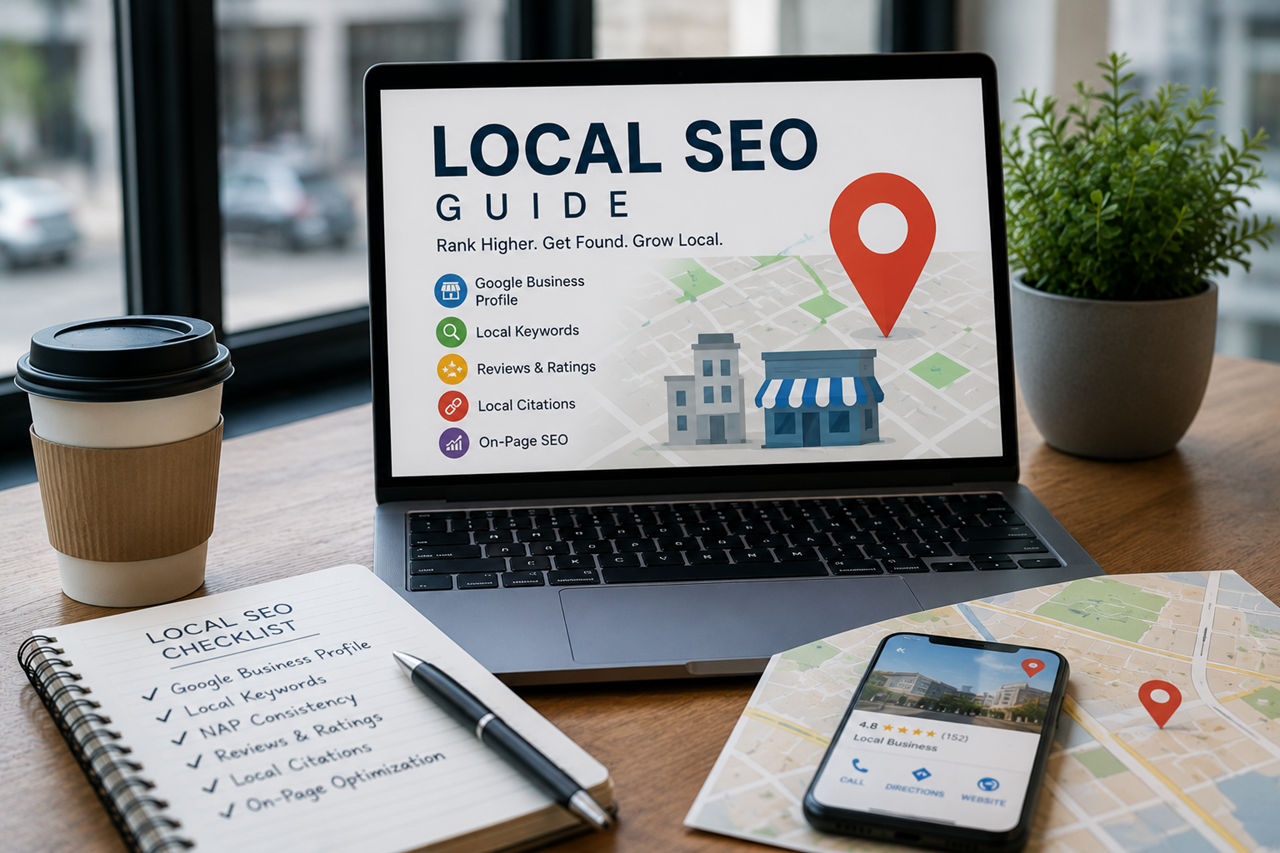
The Google Business Profile (GBP) remains the most critical tool for local search success. A well-optimized profile serves as the digital front door for your business. To maximize its impact, professionals must move beyond the basic setup.
Verification and Accuracy
Ensuring the profile is verified is the first step. Once verified, every field must be completed with absolute accuracy. This includes business name, physical address, local phone number, and operating hours. Any discrepancy between the GBP and the business website can trigger a loss of trust from both users and search algorithms.
Visual Storytelling
High-resolution imagery and video content are essential. Photos of the storefront, interior, staff, and products help build immediate trust. In the modern search environment, users often make decisions based on the visual aesthetic of a business before they even read a review. Regularly updating these visuals signals to search engines that the business is active and engaged.
Interactive Features
Utilizing the Q&A section and the messaging feature allows businesses to interact directly with prospects. Answering frequently asked questions proactively on the profile can reduce friction in the customer journey. Furthermore, using the “Updates” feature to post about local events, promotions, or news helps keep the profile fresh and relevant.
The Role of NAP Consistency and Citations
NAP stands for Name, Address, and Phone number. Consistency across the web is a foundational requirement for local search rankings. When a business’s contact information varies across different directories, search engines receive conflicting signals, which can dilute ranking power.
Local citations—listings on sites like Yelp, Yellow Pages, and industry-specific directories—act as digital votes of confidence. While the quantity of citations was once a primary focus, the emphasis has shifted toward quality and relevance. A citation on a local chamber of commerce website or a niche industry directory carries more weight than dozens of listings on obscure, low-traffic sites.
Local Content and On-Page Optimization
A website must be optimized to reflect its local nature. This involves more than just mentioning a city name. True localization requires creating content that resonates with the local community.
Location-Specific Landing Pages
For businesses with multiple locations, creating individual landing pages for each site is mandatory. Each page should feature unique content, including local testimonials, staff bios for that specific branch, and location-specific service descriptions. This prevents internal competition and allows each page to rank for hyper-local terms.
Schema Markup for Local Businesses
Structured data, specifically LocalBusiness schema, is a technical requirement for modern SEO. It provides search engines with a clear, machine-readable summary of the business’s details, including coordinates, operating hours, and price ranges. This increases the likelihood of being featured in rich snippets and voice search results.
Review Management as a Growth Engine
In 2026, reviews are not just social proof; they are a direct ranking factor. Search engines analyze the sentiment, keywords, and frequency of reviews to gauge the quality of a business. A robust review management strategy is essential for maintaining prominence.
Generating Reviews: Businesses should implement a systematic way to ask satisfied customers for feedback. This can be done via email follow-ups, SMS, or QR codes at the point of sale.
Responding to Feedback: Responding to every review—both positive and negative—is a best practice. A professional response to a negative review can mitigate damage and demonstrate a commitment to customer service. It is important to avoid generic responses; personalization shows that the business values its clientele.
AEO and GEO: The New Frontiers of Local Search
Answer Engine Optimization (AEO) and Generative Engine Optimization (GEO) are the latest developments in the SEO world. As search engines shift toward providing direct answers rather than just a list of links, local businesses must adapt. This means structuring content to answer specific questions that local customers are asking.
For example, instead of just targeting the keyword “plumber in Chicago,” a business might optimize for “who is the most reliable emergency plumber in downtown Chicago?” By providing clear, concise, and authoritative answers, businesses can capture traffic from voice-activated devices and generative search modules.
Common Local SEO Mistakes to Avoid
Even seasoned marketing professionals can fall into traps that hinder local performance. Avoiding these mistakes is crucial for maintaining a competitive edge.
- Keyword Stuffing: Overloading your business name or descriptions with city names and keywords can lead to penalties and suspensions.
- Ignoring Negative Reviews: Leaving negative feedback unaddressed signals a lack of care and can deter potential customers.
- Duplicate Profiles: Having multiple Google Business Profiles for the same location confuses search engines and splits your ranking power.
- Buying Reviews: Fake reviews are easily detected by modern algorithms and can lead to permanent removal from search results.
- Slow Mobile Performance: Most local searches happen on mobile devices. A slow-loading or poorly designed mobile site will lead to high bounce rates and lost leads.
Industry-Specific Applications
The application of local SEO varies depending on the nature of the industry. While the core principles remain the same, the focus areas differ.
Home Services
Plumbers, electricians, and HVAC contractors rely heavily on proximity and reviews. For these businesses, Local Services Ads (LSAs) paired with organic local SEO create a powerful lead generation engine.
Medical and Legal
For doctors and lawyers, prominence and trust are the primary drivers. High-quality citations in professional directories and detailed service descriptions that address specific patient or client concerns are vital.
Retail and Hospitality
Restaurants and retail shops must prioritize visual content and real-time updates. Keeping menus current and using posts to highlight daily specials or new inventory helps drive foot traffic.
Future Trends: What to Expect Beyond 2026
The future of local search is increasingly integrated and immersive. We expect to see a deeper reliance on real-time inventory data, allowing users to see if a specific product is on the shelf before they leave their house. Furthermore, augmented reality (AR) integration within maps will allow users to point their cameras at a street and see business ratings and details overlaid on the physical world. Staying ahead of these trends requires a flexible and forward-thinking digital strategy.
Conclusion
Local SEO is not a one-time setup but an ongoing process of refinement and engagement. By focusing on the pillars of relevance, proximity, and prominence, and by embracing the technical requirements of modern search engines, businesses can secure their place at the forefront of their local markets. AdSphere World remains dedicated to helping professionals navigate these complexities with data-driven strategies and expert insights. The goal is clear: to ensure that when a local customer is ready to buy, your business is the one they find first.
Frequently Asked Questions
How long does it take to see results from Local SEO?
Typically, businesses start seeing noticeable improvements in local rankings and traffic within 3 to 6 months. However, this timeline can vary based on the competitiveness of the industry and the current state of the business’s digital presence.
Do I need a physical address to rank in Local SEO?
While a physical address is preferred for the Map Pack, service-area businesses (like mobile locksmiths or cleaners) can still rank by defining their service areas in their Google Business Profile without showing their home address.
Are backlinks important for local search?
Yes, backlinks are a major factor in determining prominence. Local backlinks—from local news outlets, blogs, or partner organizations—are particularly valuable for boosting local authority.
How many reviews do I need to rank in the top 3?
There is no magic number. It depends on your competitors. You should aim to have more reviews, a higher average rating, and more recent feedback than the other businesses currently ranking in your area.
Does social media impact Local SEO?
While social media profiles don’t directly boost search rankings, they contribute to your overall digital footprint and prominence. Active social profiles can appear in branded searches and help build trust with the local community.
What is the difference between SEO and Local SEO?
Traditional SEO focuses on ranking a website for keywords on a national or global scale. Local SEO specifically targets geographic-related searches to drive foot traffic or inquiries within a specific area.
How often should I update my Google Business Profile?
You should update your profile at least once a week. This includes posting updates, responding to new reviews, and adding fresh photos to signal to search engines that your business is active.