In today’s interconnected world, a robust digital presence is no longer optional for businesses aiming for growth and sustained relevance. The digital marketing landscape is vast and multifaceted, encompassing a variety of strategies and channels designed to reach, engage, and convert target audiences online. Understanding the different types of digital marketing is crucial for developing an effective and integrated strategy that aligns with specific business objectives. From increasing brand visibility to driving direct sales, each channel offers unique opportunities and requires specialized approaches. Navigating this complex ecosystem allows businesses to connect with consumers at various touchpoints in their journey, fostering meaningful relationships and achieving measurable results.
Understanding the Core Concepts of Digital Marketing
Digital marketing refers to the practice of promoting products or services using digital channels to connect with current and prospective customers. It’s an umbrella term that encompasses all marketing efforts that use an internet connection or an electronic device. Unlike traditional marketing, digital marketing allows for precise targeting, real-time tracking, and dynamic adjustments, making it highly efficient and measurable. The core objective remains the same: to build brand awareness, generate leads, nurture customer relationships, and ultimately drive sales, but the methods and platforms employed are distinctly digital.
Key Strategies and Components in Digital Marketing
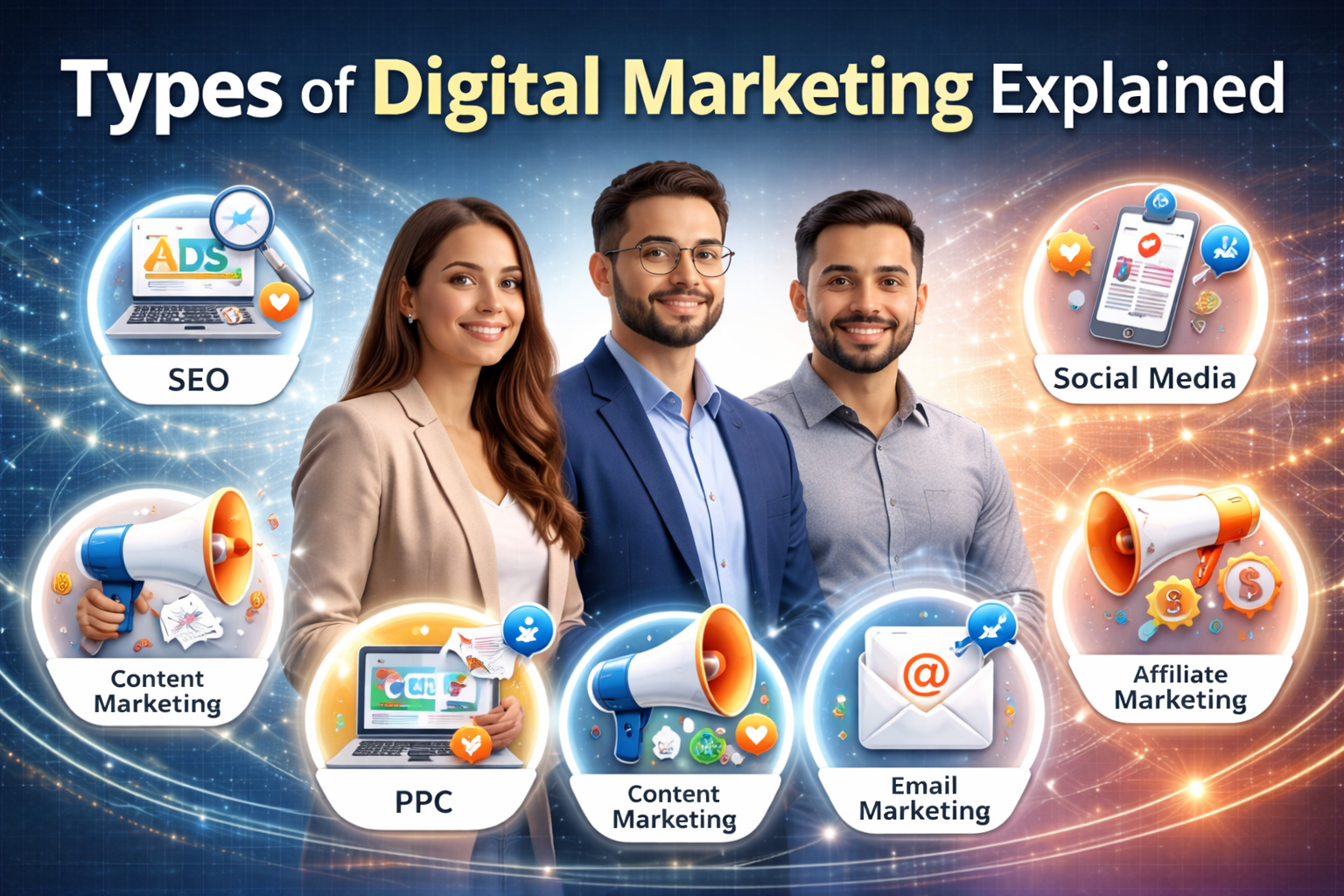
The digital marketing ecosystem is comprised of several distinct yet often interconnected disciplines. Each plays a vital role in the overall success of an online strategy.
Search Engine Optimization (SEO)
SEO is the practice of optimizing your website to rank higher in search engine results pages (SERPs), thereby increasing organic (non-paid) traffic to your site. This involves a combination of on-page optimization (content, keywords, site structure), off-page optimization (backlinks, social signals), and technical SEO (site speed, mobile-friendliness, crawlability).
- On-Page SEO: Optimizing individual web pages to rank higher and earn more relevant traffic. This includes keyword research, content creation, meta tag optimization, and internal linking.
- Off-Page SEO: Activities undertaken outside of your own website to impact your rankings within search engine results. The most common example is link building.
- Technical SEO: The process of improving the parts of your website that are built ‘under the hood’ to increase your site’s experiential quality. This includes site speed, mobile-friendliness, structured data, and XML sitemaps.
Content Marketing
Content marketing is a strategic marketing approach focused on creating and distributing valuable, relevant, and consistent content to attract and retain a clearly defined audience—and, ultimately, to drive profitable customer action. Content can take many forms, including blog posts, articles, videos, infographics, podcasts, and e-books.
- Blog Posts: Regularly published articles on a website covering topics relevant to the business’s industry and target audience.
- Videos: Engaging visual content that can explain products, share stories, or provide tutorials.
- Infographics: Visually appealing representations of data or information, making complex topics easy to understand.
- E-books & Whitepapers: Long-form content offering in-depth insights into specific subjects, often used for lead generation.
Social Media Marketing
Social media marketing involves using social media platforms to connect with your audience to build your brand, increase sales, and drive website traffic. This includes creating engaging content, interacting with followers, running targeted ad campaigns, and analyzing performance metrics.
- Platform Selection: Choosing the right social media channels (e.g., Facebook, Instagram, LinkedIn, Twitter, TikTok) based on audience demographics and business goals.
- Content Strategy: Developing a plan for the types of posts, frequency, and engagement tactics.
- Community Management: Interacting with followers, responding to comments and messages, and fostering a community around the brand.
- Paid Social Advertising: Utilizing platform advertising tools to reach specific demographics and interests with targeted ads.
Pay-Per-Click (PPC) Advertising
PPC is an internet advertising model used to drive traffic to websites, in which an advertiser pays a publisher (typically a search engine, social network, or website owner) a certain amount each time one of their ads is clicked. Search engine marketing (SEM) often encompasses PPC, with Google Ads being a prime example.
- Keyword Targeting: Bidding on specific keywords that users search for to display ads.
- Ad Copywriting: Crafting compelling ad text that encourages clicks.
- Landing Page Optimization: Ensuring the page users land on after clicking an ad is relevant and encourages conversion.
- Budget Management: Setting and managing daily or campaign budgets to control advertising spend.
Email Marketing
Email marketing is a form of direct marketing that uses electronic mail as a means of communicating commercial or fundraising messages to an audience. It’s a powerful tool for nurturing leads, retaining customers, and promoting products or services.
- List Building: Gathering email addresses through opt-in forms on websites or other lead generation efforts.
- Segmentation: Dividing the email list into smaller groups based on demographics, behavior, or interests for more targeted messaging.
- Campaign Creation: Designing and sending out newsletters, promotional emails, or automated sequences (e.g., welcome emails, abandoned cart reminders).
- A/B Testing: Experimenting with different subject lines, content, or calls-to-action to improve open and click-through rates.
Affiliate Marketing
Affiliate marketing is a performance-based marketing strategy where a business rewards affiliates for each customer brought in through the affiliate’s own marketing efforts. Affiliates promote products or services and earn a commission for each sale or lead generated.
- Merchant: The business offering the product or service.
- Affiliate: The individual or company promoting the product.
- Affiliate Network: Platforms that connect merchants with affiliates and manage tracking and payments.
- Commissions: The agreed-upon payment to affiliates for successful referrals.
Influencer Marketing
Influencer marketing is a form of social media marketing involving endorsements and product placements from influencers, individuals who have a dedicated social following and are viewed as experts within their niche. They leverage their audience to promote brands and products.
- Micro-influencers: Individuals with a smaller, more engaged following, often in a specific niche.
- Macro-influencers: Individuals with a large following across broader topics.
- Campaign Goals: Defining objectives such as brand awareness, lead generation, or direct sales.
- Authenticity: Ensuring collaborations feel genuine to the influencer’s audience.
Mobile Marketing
Mobile marketing is the practice of marketing to consumers on their mobile devices, such as smartphones or tablets. This can include SMS/MMS messages, mobile apps, location-based marketing, and mobile-optimized websites and ads.
- SMS/MMS Marketing: Sending text messages directly to consumers’ phones.
- App Marketing: Promoting mobile applications through app stores and in-app advertising.
- Location-Based Services: Targeting users based on their current geographic location.
- Mobile-Friendly Design: Ensuring all digital assets are responsive and perform well on mobile devices.
Analytics and Data Analysis
While not a channel itself, data analysis is fundamental to all digital marketing efforts. It involves tracking, measuring, and analyzing data from various digital marketing campaigns to understand performance, identify trends, and make informed decisions for optimization. Tools like Google Analytics are essential for this.
- Key Performance Indicators (KPIs): Identifying and tracking metrics relevant to campaign objectives (e.g., conversion rates, click-through rates, cost per acquisition).
- Data Interpretation: Translating raw data into actionable insights.
- Reporting: Communicating campaign performance and findings to stakeholders.
- A/B Testing & Experimentation: Using data to guide iterative improvements to campaigns and website elements.
Industry Insights and Best Practices
The most successful digital marketing strategies are not siloed; they are integrated. For instance, content marketing fuels SEO by providing keywords and shareable assets. Social media marketing can amplify content and drive traffic. PPC campaigns can capture immediate demand generated by SEO and content efforts. Email marketing can nurture leads acquired through all other channels.
Key best practices include:
- Audience-Centric Approach: Deeply understanding your target audience’s needs, behaviors, and preferred channels.
- Data-Driven Decision Making: Continuously monitoring performance metrics and adapting strategies based on data insights.
- Personalization: Tailoring messages and offers to individual user preferences and past interactions.
- Omnichannel Strategy: Creating a seamless and consistent brand experience across all digital touchpoints.
- Mobile-First Design: Prioritizing the mobile user experience in all digital assets and campaigns.
- Ethical Practices: Adhering to privacy regulations (like GDPR and CCPA) and maintaining transparency with consumers.
Practical Considerations and Implementation Factors
Implementing a comprehensive digital marketing strategy requires careful planning and execution. Businesses need to consider their budget, available resources (both human and technological), and desired outcomes.
- Setting Clear Objectives: Define SMART (Specific, Measurable, Achievable, Relevant, Time-bound) goals for each digital marketing initiative.
- Budget Allocation: Distribute marketing spend across different channels based on potential ROI and strategic importance.
- Resource Management: Ensure you have the necessary expertise, whether in-house or outsourced, to manage each discipline effectively.
- Tool Selection: Choose appropriate marketing automation, analytics, CRM, and content management tools.
- Cross-Departmental Collaboration: Ensure marketing efforts are aligned with sales, customer service, and product development.
Benefits, Challenges, and Strategic Implications
The benefits of effective digital marketing are numerous: increased brand visibility, improved customer engagement, higher conversion rates, better customer loyalty, and the ability to measure ROI precisely. However, challenges exist, including the ever-evolving digital landscape, intense competition, the need for continuous learning and adaptation, and the potential for negative feedback to spread quickly.
Strategically, a well-executed digital marketing plan can position a business as a leader in its industry, foster strong customer relationships, and provide a sustainable engine for growth. It allows businesses to compete on a global scale, reaching audiences far beyond their geographical limitations.
Future Trends and Developments
The future of digital marketing will likely be shaped by emerging technologies and evolving consumer behaviors. Trends to watch include the increasing sophistication of AI in personalization and automation, the continued rise of video content and live streaming, the growth of voice search optimization, the importance of privacy-first marketing strategies, and the potential of augmented reality (AR) and virtual reality (VR) in creating immersive brand experiences.
Frequently Asked Questions
- What is the primary goal of digital marketing?
- The primary goal is to connect with target audiences online to build brand awareness, generate leads, drive sales, and foster customer loyalty.
- Which digital marketing type is best for small businesses?
- For small businesses, a combination of SEO and content marketing, alongside focused social media marketing and local SEO efforts, often provides the best foundational strategy due to their long-term impact and cost-effectiveness.
- How can I measure the success of my digital marketing efforts?
- Success is measured by tracking Key Performance Indicators (KPIs) relevant to your goals, such as website traffic, conversion rates, lead quality, customer acquisition cost, return on ad spend (ROAS), and customer lifetime value.
- Is it possible to combine different types of digital marketing?
- Absolutely. The most effective digital marketing strategies are integrated, leveraging the strengths of multiple channels to create a cohesive and impactful campaign. For example, content marketing supports SEO, and social media amplifies content.
- How does SEO differ from SEM?
- SEO (Search Engine Optimization) focuses on improving organic search rankings through website optimization. SEM (Search Engine Marketing) is a broader term that includes SEO and paid search advertising (like PPC) to increase visibility in search results.
- What is the role of mobile in digital marketing today?
- Mobile is paramount. Most internet access occurs on mobile devices, making mobile optimization for websites, ads, and content a critical component of any digital marketing strategy.