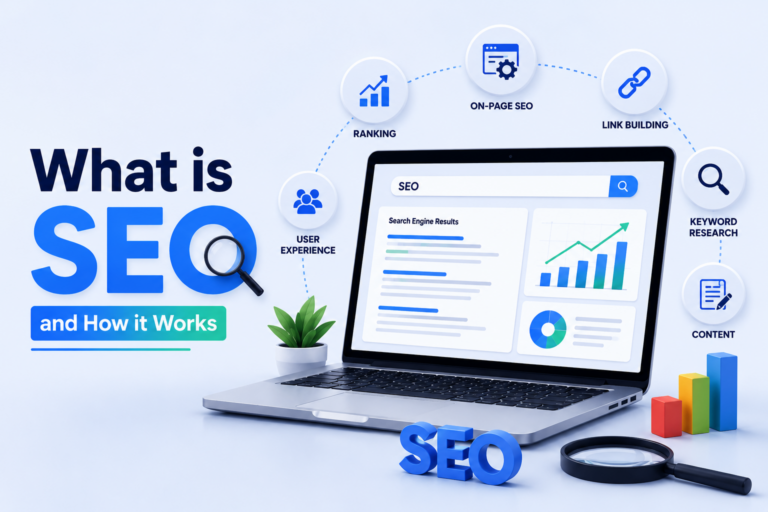
In today’s competitive digital landscape, establishing a robust online presence is no longer a luxury but a fundamental necessity for business survival and expansion. Among the myriad of digital marketing strategies available, Search Engine Optimization (SEO) stands out as a cornerstone for sustainable and scalable growth. It’s the art and science of making your website more attractive to search engines, thereby increasing its visibility when potential customers search for products or services you offer. This organic visibility is crucial, as a significant portion of consumer journeys begin with a search engine query. Businesses that effectively leverage SEO are better positioned to attract qualified leads, build brand authority, and ultimately, drive revenue growth. Understanding the intricate mechanisms of how SEO helps businesses grow is paramount for any forward-thinking enterprise.
Understanding the Foundations of SEO for Business Growth
At its core, SEO is about optimizing your website and online content to rank higher in the unpaid results of search engines like Google, Bing, and DuckDuckGo. This increased ranking directly translates to more organic traffic – visitors who find your business by searching for relevant keywords. For businesses, this influx of organic traffic represents a stream of highly motivated potential customers who are actively looking for solutions you can provide. This is a fundamental difference from paid advertising, where you pay for visibility regardless of immediate user intent.
The Primary Pillars of SEO
SEO is a multifaceted discipline, but its effectiveness for business growth can be understood through several key pillars:
On-Page SEO
This involves optimizing elements that are directly on your website. It includes keyword research to understand what terms your target audience uses, creating high-quality, relevant content that incorporates these keywords naturally, optimizing meta titles and descriptions for click-through rates, improving website speed, ensuring mobile-friendliness, and structuring content with clear headings and internal linking. When a website is well-optimized on-page, search engines can easily understand its content and context, leading to better rankings.
Off-Page SEO
This refers to activities undertaken outside of your website to improve its ranking and reputation. The most significant component of off-page SEO is building high-quality backlinks from other reputable websites. These backlinks act as ‘votes of confidence,’ signaling to search engines that your content is valuable and trustworthy. Other off-page factors include social media signals, online reviews, and local citations (for businesses with a physical presence).
Technical SEO
This ensures that search engines can efficiently crawl, index, and render your website. It encompasses aspects like site architecture, XML sitemaps, robots.txt files, schema markup, HTTPS security, and site speed. A technically sound website provides a seamless user experience and makes it easier for search engines to discover and rank your content.
How SEO Directly Fuels Business Growth
The impact of a well-executed SEO strategy on business growth is profound and multifaceted. It’s not just about vanity metrics; it’s about tangible business outcomes.
Driving Qualified Organic Traffic
The most immediate benefit of SEO is the increase in organic traffic. When your business ranks highly for relevant search queries, you attract users who are actively seeking your products or services. This traffic is inherently more qualified than traffic from other sources, as users have already expressed interest through their search behavior. This means higher conversion rates and a more efficient use of marketing resources.
Enhancing Brand Visibility and Awareness
Consistent high rankings in search results establish your brand as a prominent player in your industry. When potential customers repeatedly see your brand associated with their search queries, it builds recognition and trust. This increased visibility can lead to direct traffic, brand recall, and a stronger overall market presence, even for searches that aren’t directly transactional.
Boosting Credibility and Trustworthiness
Search engines strive to present the most authoritative and reliable results to their users. Therefore, websites that rank highly are often perceived as more credible and trustworthy by consumers. This perception is invaluable for building long-term customer relationships and fostering brand loyalty. A business that appears consistently at the top of search results is implicitly endorsed by the search engine itself.
Improving User Experience (UX)
Modern SEO best practices are intrinsically linked to user experience. Search engines prioritize websites that offer fast loading times, are easy to navigate on all devices, and provide valuable, well-structured content. By focusing on these aspects for SEO, businesses simultaneously improve their website’s usability, leading to longer engagement times, lower bounce rates, and a more satisfying customer journey.
Cost-Effective Marketing Strategy
While SEO requires an investment of time, resources, and expertise, the traffic it generates is organic and free. Unlike paid advertising campaigns, which cease to deliver traffic once the budget is exhausted, the benefits of SEO are cumulative and sustainable. Over time, SEO can become one of the most cost-effective marketing channels, delivering a high return on investment (ROI) through consistent lead generation and sales.
Gaining a Competitive Advantage
In most industries, competitors are also investing in SEO. A strong SEO strategy allows businesses to not only keep pace but also to surpass their rivals in search engine rankings. By capturing a larger share of the search results page, businesses can effectively gain a significant competitive advantage, drawing customers away from less visible competitors.
Driving Measurable Revenue Growth
Ultimately, the goal of any business strategy is revenue growth. SEO directly contributes to this by bringing more qualified leads to your website and increasing the likelihood of conversions. By tracking key performance indicators (KPIs) such as organic traffic volume, conversion rates from organic search, and the revenue generated from these channels, businesses can clearly measure the impact of their SEO efforts on their bottom line.
Key SEO Strategies for Sustainable Business Growth
Implementing an effective SEO strategy involves a continuous process of research, implementation, and analysis. Here are some key strategies to focus on:
1. Comprehensive Keyword Research and Targeting
Understanding the search intent behind keywords is crucial. This involves identifying terms that potential customers use, analyzing search volume, assessing keyword difficulty, and understanding the user’s stage in the buyer’s journey. Targeting a mix of informational, navigational, and transactional keywords ensures a diverse flow of relevant traffic.
2. High-Quality Content Creation and Optimization
Content is the fuel for SEO. Businesses must create valuable, informative, and engaging content that directly addresses the needs and questions of their target audience. This includes blog posts, articles, guides, product descriptions, and multimedia content, all optimized with relevant keywords, clear headings, and readability in mind.
3. Building a Strong Backlink Profile
Acquiring high-quality backlinks from authoritative and relevant websites is a critical ranking factor. This can be achieved through guest blogging, creating shareable content, digital PR, and building relationships within your industry. Focus on quality over quantity.
4. Optimizing for Local Search (GEO SEO)
For businesses serving a specific geographic area, local SEO is indispensable. This involves optimizing your Google Business Profile, ensuring consistent NAP (Name, Address, Phone Number) citations across directories, gathering local reviews, and using location-specific keywords. This ensures you appear in local search results and on map packs when potential customers in your area are searching.
5. Ensuring a Seamless User Experience (UX)
Website speed, mobile responsiveness, intuitive navigation, and clear calls-to-action are vital. Search engines reward sites that provide a positive user experience, as this leads to higher engagement and satisfaction.
6. Leveraging Technical SEO Best Practices
Regularly audit your website for technical issues. This includes ensuring your site is crawlable and indexable, optimizing site speed, implementing schema markup to provide search engines with more context, and ensuring your site is secure via HTTPS.
7. Monitoring and Analyzing Performance
SEO is not a set-it-and-forget-it strategy. Continuous monitoring of key metrics using tools like Google Analytics and Google Search Console is essential. Analyzing performance allows for the identification of what’s working, what’s not, and where adjustments are needed to refine the strategy.
Challenges and Considerations in SEO Implementation
While the benefits of SEO are clear, businesses must also be aware of potential challenges:
- Patience Required: SEO is a long-term strategy. Significant results can take months to manifest, requiring sustained effort and patience.
- Algorithm Updates: Search engine algorithms are constantly evolving. Staying updated with these changes and adapting strategies accordingly is crucial to avoid negative impacts.
- Competition: As more businesses recognize the value of SEO, competition for top rankings intensifies, particularly in popular niches.
- Technical Expertise: Implementing certain technical SEO aspects may require specialized knowledge or the assistance of SEO professionals.
- Content Saturation: The sheer volume of online content means businesses must work harder to create content that stands out and provides unique value.
The Future of SEO and Business Growth
The future of SEO is increasingly focused on user intent, artificial intelligence, and personalization. Voice search optimization, the rise of AI-driven search assistants, and the growing importance of E-E-A-T (Experience, Expertise, Authoritativeness, Trustworthiness) will continue to shape how businesses approach SEO. For businesses to thrive, their SEO strategies must evolve to accommodate these trends, ensuring they remain visible and relevant in the ever-changing digital ecosystem. Adapting to these shifts proactively will ensure that SEO continues to be a powerful engine for sustained business growth.
Frequently Asked Questions (FAQ)
How long does it take for SEO to show results?
SEO is a long-term strategy. While some minor improvements might be visible within weeks, significant and sustainable results, such as increased organic traffic and higher rankings, typically take 3-6 months or even longer, depending on the competitiveness of the industry and the effectiveness of the strategy.
Is SEO still relevant in 2024?
Yes, SEO is more relevant than ever. As online search continues to be the primary method for consumers to find products and services, organic visibility remains a critical driver of business growth. Modern SEO focuses on user experience and providing value, making it an indispensable part of any digital marketing strategy.
What is the difference between SEO and SEM?
SEO (Search Engine Optimization) focuses on improving organic (unpaid) search engine rankings. SEM (Search Engine Marketing) is a broader term that encompasses both SEO and paid advertising (like PPC) on search engines, aiming to increase visibility across all search results.
How can local SEO help a brick-and-mortar business?
Local SEO helps brick-and-mortar businesses appear in local search results and on map services when potential customers in their geographic area search for relevant products or services. This drives foot traffic and local customer acquisition.
What are the most important factors for SEO success?
Key factors include relevant keyword targeting, high-quality and engaging content, a strong backlink profile from reputable sources, a technically sound and user-friendly website, and consistent monitoring and adaptation of the strategy.
Can SEO guarantee top rankings?
No, SEO cannot guarantee top rankings. Search engine algorithms are complex and constantly updated. While SEO strategies aim to improve rankings, factors like competition, algorithm changes, and the inherent nature of search engine operations mean that guaranteed top positions are not feasible.
How does SEO contribute to brand authority?
By consistently ranking high for relevant search terms, providing valuable content, and earning backlinks from other authoritative sites, SEO helps establish a business as a credible and trustworthy source of information or products within its industry, thereby building brand authority.